Curtain Wall vs Storefront Glass: What’s Best for Your Commercial Project?
Choosing the right glazing system is one of the biggest decisions in any commercial build. Both storefront glass systems and curtain wall glazing systems offer clean design, structural efficiency, and strong visual impact. But they’re built for different purposes.
Peter Kapiloff of Kapiloff’s Glass, Inc. explains the key differences, benefits, and best applications so project teams can select the right system with confidence.
What Is a Storefront Glass System?
A storefront system is a non-load-bearing glass and aluminum assembly designed primarily for ground-level applications.
These systems are anchored between the floor slab and the structure above, making them ideal for:
- Retail storefronts
- Office entrances
- Showrooms
- Low-rise commercial buildings
- Schools and municipal buildings
Storefront systems are usually limited to 10–12 feet in height, making them a cost-effective and practical choice for most first-floor exterior facades.
Key benefits of storefront glass systems:
- More affordable than curtain wall systems
- Faster installation
- Flexible design options
- Strong visual clarity for branding and displays
For many commercial projects, storefront glass delivers the clean, modern look owners want—with none of the structural requirements of a multi-story system.
What Is a Curtain Wall Glazing System?
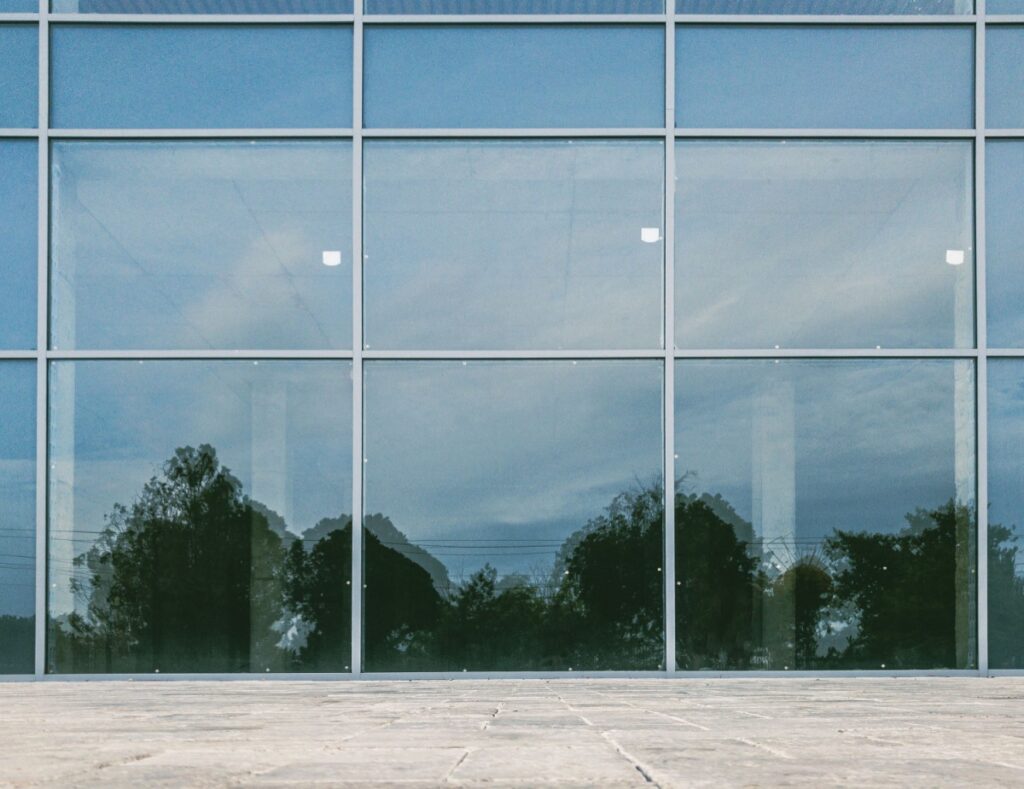
A curtain wall is a non-load-bearing exterior wall system built to span multiple floors and act as the outer “skin” of a building. These systems hang from the structure rather than sitting between slabs.
You’ll find curtain wall glazing on:
- Multi-story offices
- Hotels
- Universities
- Hospitals
- Public buildings
Curtain wall systems can integrate both vision glass and spandrel panels, giving architects more control over aesthetics, insulation, and performance.
Key benefits of curtain wall glazing systems:
- Superior weather protection
- Higher thermal performance
- Excellent wind-load resistance
- Long-term durability
- Seamless multi-story appearance
As Peter Kapiloff notes, curtain walls are engineered for the demands of complex buildings. They provide strength, performance, and a continuous exterior look that storefront systems cannot replicate.
Curtain Wall vs Storefront: Key Differences
Here’s a simple comparison to understand how the two glazing systems differ:
Feature | Storefront Glass | Curtain Wall Glazing |
Building Height | Ground-level only | Multi-story |
Structure | Anchored between floors | Hung from building frame |
Water Management | Face-sealed | Pressure-equalized system |
Cost | Lower | Higher |
Performance | Standard | High-performance |
Ideal Use | Retail and entrances | High-rise and public buildings |
These differences shape everything from material choice to installation method. Picking the wrong system can increase maintenance costs, reduce performance, and limit design options.
Which System Is Right for Your Project?
Choosing between curtain wall and storefront glass depends on several factors:
- Building Height and Structure: Small commercial buildings benefit from storefront systems. Multi-story projects require curtain walls.
- Environmental Exposure: Curtain walls offer better wind resistance and moisture control—key for taller buildings and harsh climates.
- Budget and Timeline: Storefront systems cost less and install faster. Curtain walls require more engineering and labor.
- Aesthetic Vision: If your project calls for a smooth, continuous exterior, curtain wall glazing is the preferred choice.
For many projects, the right solution becomes clear once these factors are considered.
Why Professional Expertise Matters
Correct installation is essential for both systems. From engineering to weather sealing, commercial glazing must meet strict performance and safety standards.
Kapiloff’s Glass has decades of experience installing storefront systems, curtain wall glazing systems, and other specialized architectural glass solutions across Massachusetts. With Peter Kapiloff providing ongoing advisory leadership, the team ensures every project meets its design, structural, and code requirements.
Final Thoughts
Both curtain wall and storefront glass systems offer unique advantages. The best choice depends on your building’s height, performance expectations, and design goals. With the right glazing partner, your project can achieve the structural integrity, efficiency, and visual impact it needs.
Kapiloff’s Glass, Inc. continues to support commercial builders, architects, and public agencies in creating durable, high-performance glass installations built to last.